
+24 hrs
more time spent alone each month than in 2003
U.S. Surgeon General, 2023
The science is in. The Surgeon General called it an emergency. The Pope devoted his first letter to it. And the answer was already in your calendar — Tuesday morning, the trailhead, the people who showed up.
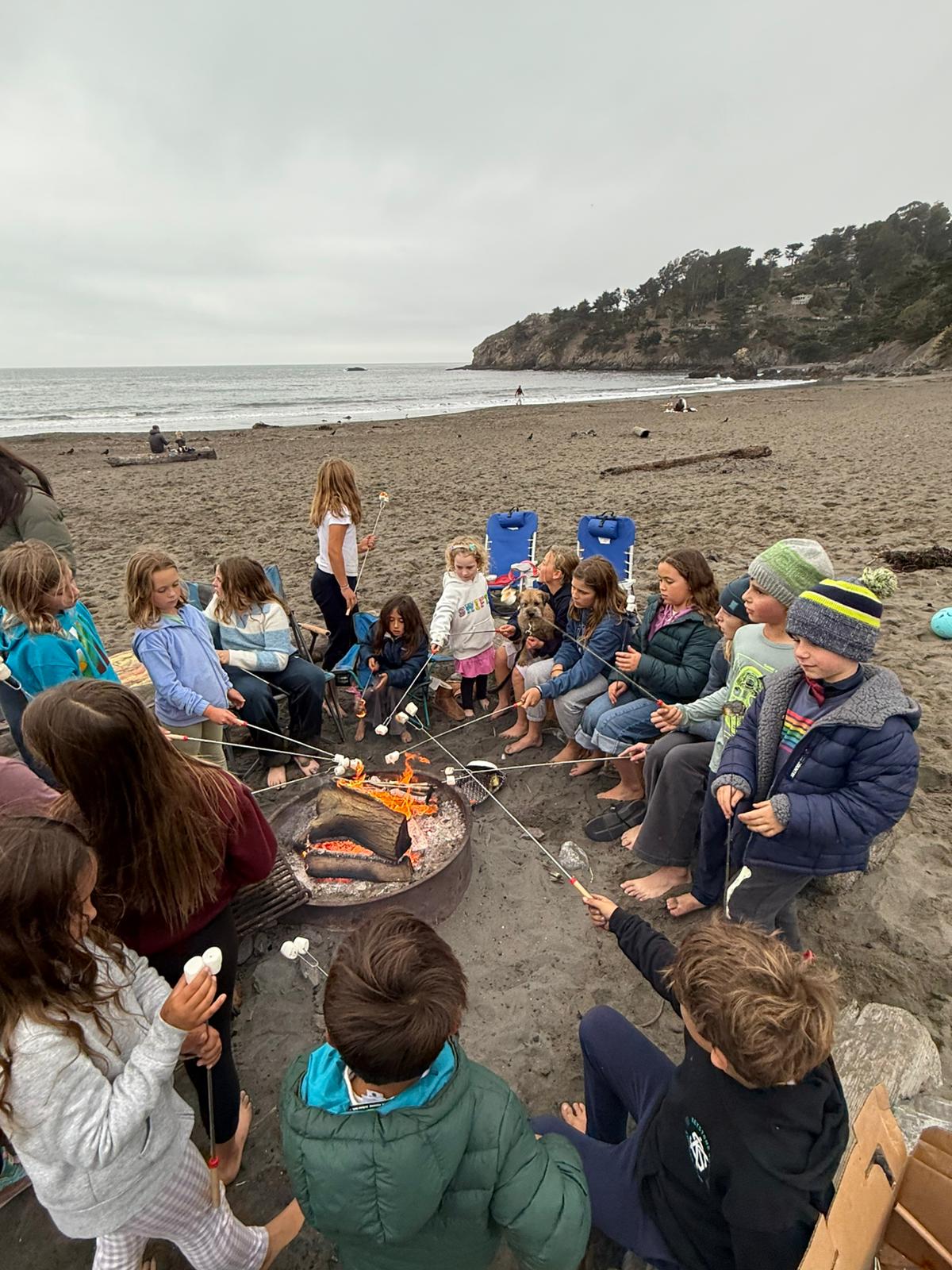
Muir Beach. Somebody brought marshmallows. Everyone stayed.
Chapter one · The decline
In 1995, Robert Putnam noticed something strange in the data. More Americans were bowling than ever before. But bowling in leagues — together, weekly, with the same people — had collapsed.
That pattern wasn't just bowling. PTAs, fraternal lodges, unions, churches, scouts, Red Cross volunteers — all peaked in the early 1960s and fell off a cliff. Putnam attributed roughly half of the decline to generational change, a quarter to the rise of electronic entertainment, and the rest to the slow erosion of the places where strangers used to become neighbors.
People still did the activity. They just did it alone.
+24 hrs
more time spent alone each month than in 2003
U.S. Surgeon General, 2023
−20 hrs
less time with friends in person, monthly, over the same window
U.S. Surgeon General, 2023
52%
of U.S. adults sit in the at-risk or vulnerable range for social connection
U.S. Chamber of Connection, 2026
Chapter two · The science
In 2023, U.S. Surgeon General Vivek Murthy issued a formal advisory putting social connection on the same shelf as diet and exercise — a core determinant of how long and how well we live.
In 2025, the WHO Commission on Social Connection — co-chaired by Dr. Murthy — extended the same framing globally: connection as a determinant of health, education, and economic outcomes, full stop.

Chapter three · The dividend
Aaron Hurst's U.S. Chamber of Connection runs the numbers most policy debates skip. When people gather, the returns show up everywhere — on Main Street, in giving, in how good a life feels.
“Social connection is the next great cause — the way environment was a generation ago.”
+22%
More new business registrations in neighborhoods with active social gathering spaces (7-year window).
Columbia / Harvard study
2x
Volunteers donate to charity at twice the rate of non-volunteers (80% vs. 40%).
Chamber of Connection research
33 pts
People with an activity-based community are far more likely to report high life satisfaction.
U.S. Chamber of Connection, 2026
~½
Regular participants in group activity are roughly half as likely to develop loneliness over 12 years.
Longitudinal study, 2024
The proof, alive today
For every chart of decline there is a Tuesday morning, a trailhead, a court, a coffee shop where the data quietly reverses. Here are four versions of it, all running this week, somewhere in Marin.

Jeff Jungston rides up Mt. Tam three mornings a week. He sends the pin, the time, the weather. People show up — same regulars, plus whoever someone brought. At the summit there is always coffee.
One person creating a recurring window in the week. That is civic infrastructure the data keeps asking for.

A no-app, no-fee running club. Same coffee shop, same start time. New runners get adopted by week three; nobody finishes alone.
The model Putnam said we lost — a league, not a solo activity that happens to have witnesses.
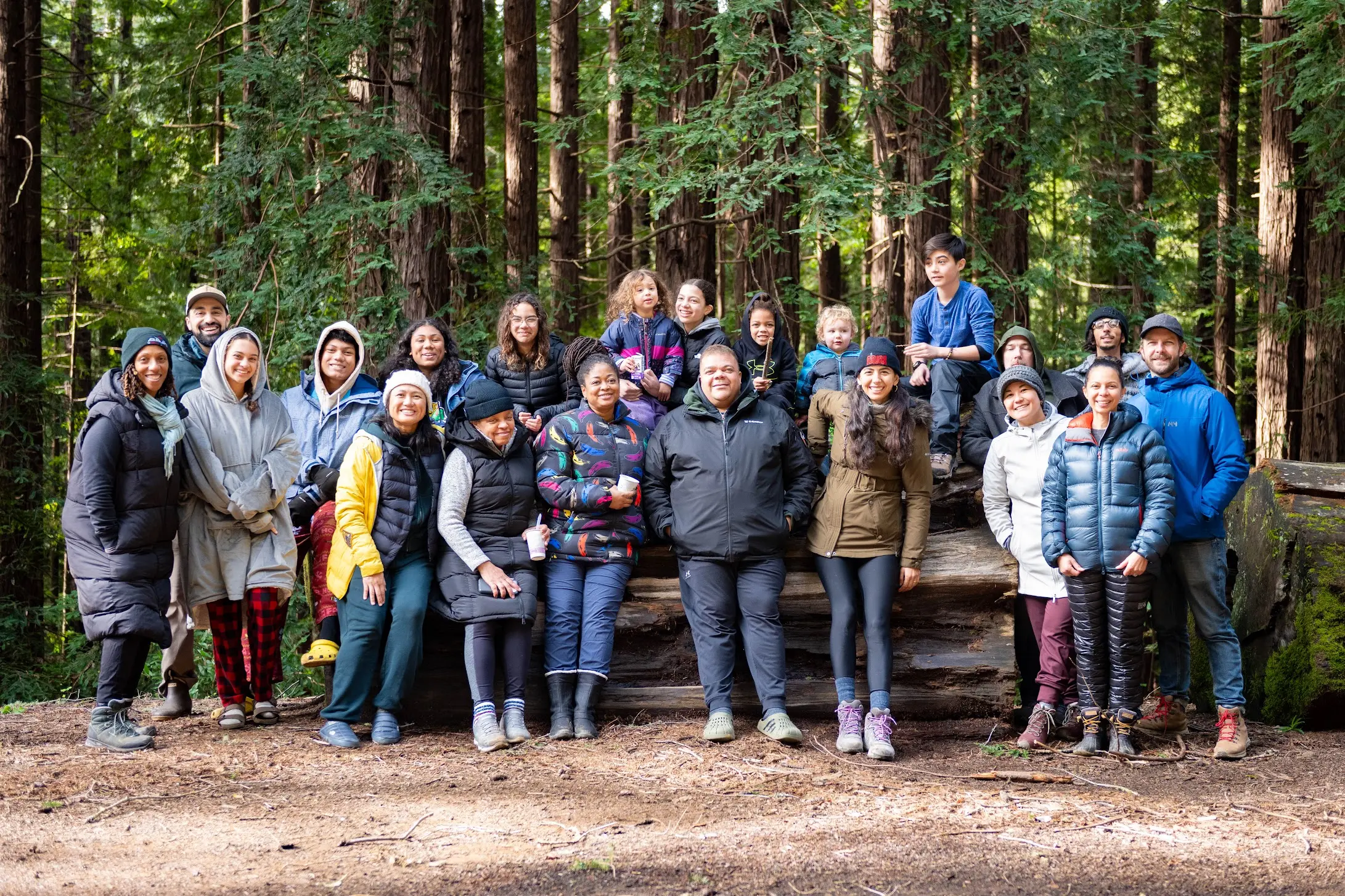
After 156 trips and 379 nights outdoors with her own family of six, Sally co-founded Outdoorithm and its 501(c)(3) Collective to fund guided camping for families historically left out of the outdoors. The on-ramp she wished existed, built for everyone else.
Access to the outdoors is not distributed equitably. Building the on-ramp is the same work — it just happens earlier in someone's story.
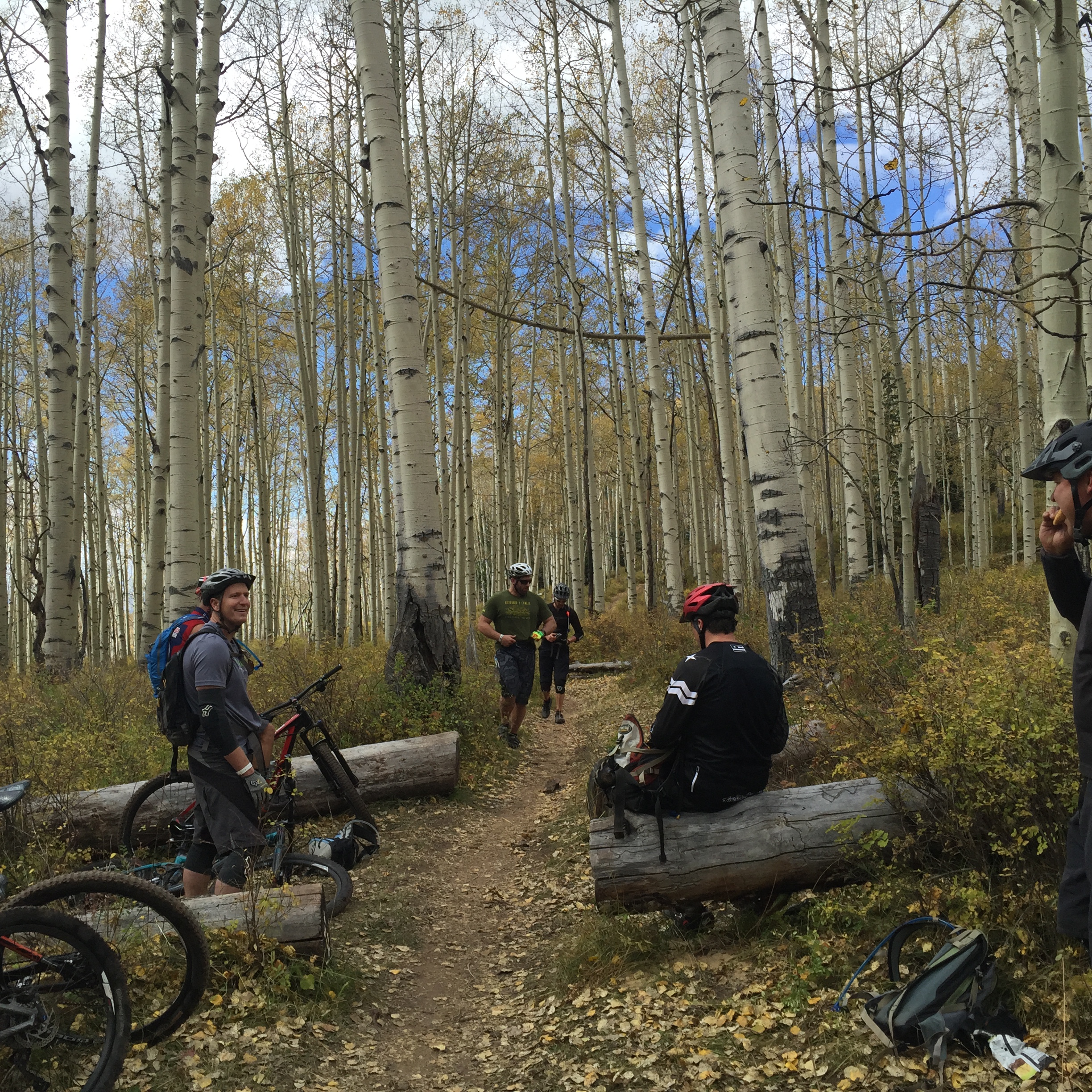
Ryan Loften has guided mountain bikers on Mt. Tam since 2006. Surf instructors run kids' weeks at Stinson. Every season is a new graduating class of friendships.
Professional hosts are connection workers. Treat them accordingly.
The research community has a name for this pathway: participation in group recreation “provides opportunities for social interactions and thereby increases social satisfaction and builds supportive relations.” Plain English: the outing is the invitation. Connection is what stays.
Chapter four · The stakes
In Magnifica Humanitas, Pope Leo XIV devoted his first major document to artificial intelligence and what it means for human relationship. The thesis is not about jobs or privacy. It is about presence.
“We were created for relationship.”
Closer to home — twenty minutes north of the Golden Gate — Andrew Davis, Head of School at Mt. Tamalpais School, has been writing the same idea in a different key. His worry is not whether AI will outpace kids in school. It is whether kids will outsource the hard, necessary work of being known.
“It is certainly our responsibility to teach children the skills they need to thrive in an AI-shaped economy. But it is an even greater responsibility to teach the skills of humanity.”
Why this is the work
Every line in the research points to the same intervention: a person who creates the space, names the time, and invites people in. That's the entire job. Fresh exists to make it a little less lonely to be that person.
Civic decline
Putnam's collapsed leagues, PTAs, unions.
Rebuild informal group participation around real outdoor activity.
Public health
Connection is a core determinant of health and longevity.
Make in-person, outdoor, recurring gatherings the path of least resistance.
Local economy
Active gathering spaces grow Main Street and local giving.
Treat low-friction community infrastructure as core, not extracurricular.
Moral / spiritual
“We were created for relationship.”
Design for human presence, not digital replacement of it.
Youth development
Kids need real, sometimes hard relationships.
Give coaches, guides, and parents tools to organize group outdoor experiences.
Fresh is for the dawn-patrol leaders, the Trotters captains, the guides, and the regulars who keep the lights on for everyone else.